
Fire Hose Reels vs Sprinkler Systems: Which Suits Your Commercial Building?
Choosing the right fire protection for a commercial premises affects compliance, insurance premiums and, most importantly, the safety of everyone on site. Two of the most common solutions are fire hose reels and automatic sprinkler systems. Both are proven, both are recognised under Australian Standards, and both can be supplied, installed and maintained by an accredited provider. They protect a building in very different ways, however. This guide compares fire hose reels vs sprinklers so that property managers, facility managers and business owners can make an informed decision for their building and risk profile.
How Fire Hose Reels Work
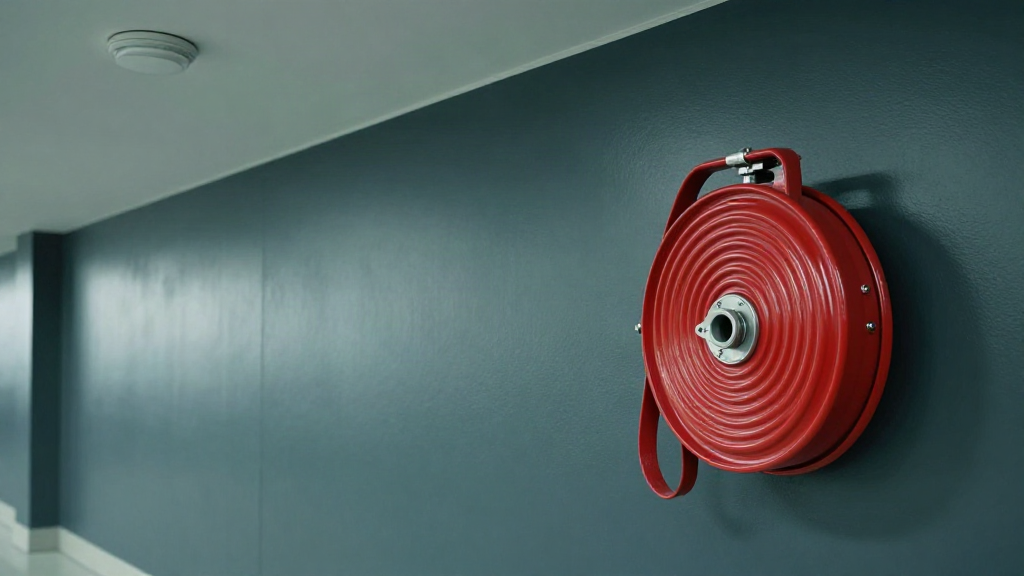
A fire hose reel is a fixed, manually operated appliance connected to the building’s water supply. In the event of a fire, an occupant unwinds the hose, opens the valve and directs a jet of water at the seat of the fire. Reels are typically mounted on walls or in recesses at accessible points throughout a building, with hose lengths commonly running to 36 metres. Because they rely on a person to operate them, fire hose reels are classed as a first-attack measure: they give trained occupants the means to slow or extinguish a small fire before it spreads, rather than operating automatically.
How Sprinkler Systems Work
An automatic sprinkler system is a network of pipes and sprinkler heads, usually concealed in ceilings or installed at roof level. Each head contains a heat-sensitive element that bursts at a set temperature, releasing water directly onto the fire below. Only the heads exposed to the heat activate, which limits water damage and targets the fire precisely. Sprinklers work unattended, day or night, and are especially valuable in areas that may be unoccupied, such as storage rooms, plant rooms and basements. In many commercial settings they are a property-protection and life-safety measure in equal parts.
The Key Differences Between Fire Hose Reels and Sprinklers
Coverage and Method of Attack
Fire hose reels give occupants an active role and can be directed at a fire with precision, but they depend on someone being present, willing and able to use them. Sprinklers are passive and automatic: they detect and suppress a fire even when no one is on site. For high-risk or unmanned areas, that automatic response is the decisive advantage.
Cost and Installation Complexity
Fire hose reels are generally the more economical option. Installation is comparatively straightforward because the system ties into the mains water supply without the extensive pipework, pumps, tanks or dedicated water storage that sprinkler systems often require. Automatic sprinklers carry a higher upfront cost and a more involved installation, particularly in larger or multi-storey buildings where the network has to be carefully designed to suit the layout and hazard classification.
Australian Standards and Compliance
Both solutions are governed by strict requirements. Fire hose reel installations must meet AS 2441, while automatic fire sprinkler systems are covered by AS 2118, with the Building Code of Australia determining which buildings require which level of protection. Whether a premises needs hose reels, sprinklers, or both often depends on its classification, size, height and occupancy type. An accredited installer will confirm the exact requirements for your building rather than relying on a one-size-fits-all approach.
Which Solution Suits Your Building?
When Fire Hose Reels Make Sense
Fire hose reels suit many smaller commercial premises, retail spaces and low-rise buildings where occupants are present and can respond quickly. They are a practical, cost-effective way to satisfy compliance requirements and give staff a first-attack tool, provided your team is trained and the reels are well positioned and properly maintained.
When Sprinkler Systems Make Sense
Sprinkler systems are the stronger choice for larger premises, high-hazard occupancies, multi-storey buildings and any space that is regularly unattended. They offer round-the-clock protection, can reduce insurance premiums, and help to contain a fire before the fire brigade arrives. Where a building houses valuable stock, records or equipment, the automatic response of sprinklers is often the difference between a contained incident and a major loss.
Combining Both Systems
In many commercial buildings the answer is not one or the other. It is common for fire hose reels and sprinklers to work side by side, with sprinklers handling automatic detection and suppression while hose reels give occupants a manual backup. A layered approach delivers the most robust protection and is frequently what the applicable standards call for.
The Role of an Accredited Installer
Whichever option suits your premises, the quality of the installation matters as much as the choice itself. Accredited, experienced technicians handle everything from supply and installation through to testing and ongoing maintenance, ensuring every component meets the relevant Australian Standards and keeps working when it counts. Working with a single provider for the whole lifecycle means the job is done once and done right, with clear documentation to support your compliance obligations.
Making the Right Decision
Fire hose reels and sprinkler systems each have a clear role in protecting a commercial building. Hose reels are economical, hands-on and well suited to occupied premises, while sprinklers provide automatic, around-the-clock defence and are essential in high-risk or unmanned areas. The right answer depends on your building’s classification, layout and risk profile. A professional assessment from an accredited fire protection provider will identify the system, or combination of systems, that keeps your premises compliant and your people and assets protected.
No responses yet