
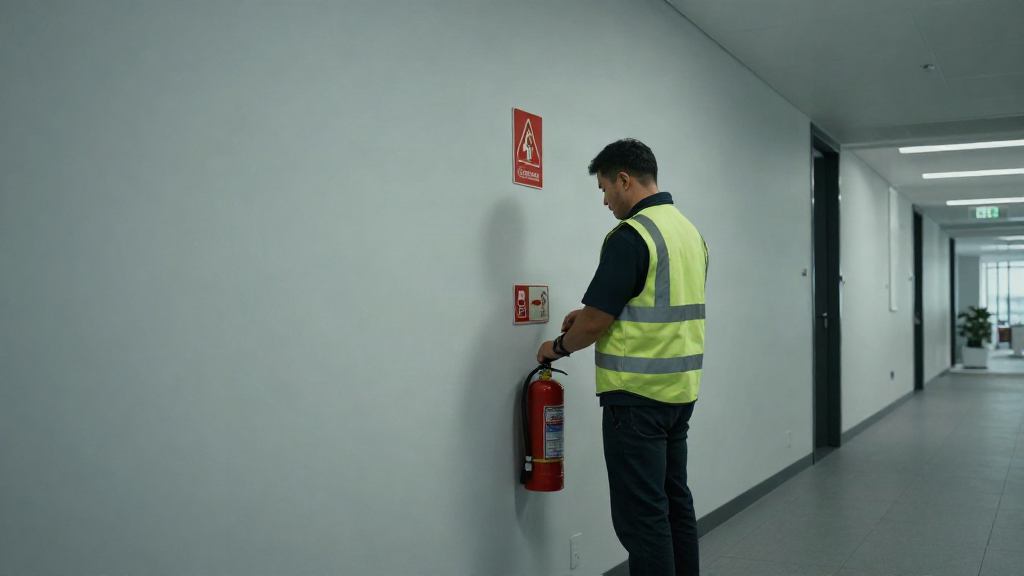
How to Prepare Your Commercial Premises for a Fire Safety Compliance Inspection in Brisbane
Commercial property managers, facility directors, and business owners across Brisbane and South East Queensland operate under strict obligations when it comes to fire safety. Queensland fire safety legislation, including the Building Fire Safety Regulation 2008 and relevant Australian Standards (such as AS 1851 and AS 2293), establishes rigorous benchmarks for life safety systems in commercial buildings.
Undergoing an official compliance audit or routine inspection by Queensland Fire and Emergency Services (QFES) or an accredited certifier can feel daunting without a proactive management plan. However, with systematic preparation, clear documentation, and regular routine servicing, commercial facilities can maintain continuous compliance and guarantee the safety of all occupants.
Here is a practical, step-by-step guide to preparing your commercial facility for a fire safety compliance inspection in Brisbane.
What a Queensland Fire Safety Compliance Inspection Covers
A commercial fire safety audit evaluates both active and passive fire systems, evacuation procedures, and ongoing maintenance records. Authorised officers and certifiers review premises to verify that life safety provisions meet the National Construction Code (NCC), Queensland building fire regulations, and Australian Standards.
Key areas inspected during an audit typically include:
- Evacuation Routes and Exits: Ensuring clear, unobstructed paths of travel to open space.
- Fire Fighting Equipment: Operational readiness and maintenance tags for portable fire extinguishers, fire blankets, and fire hose reels.
- Emergency Lighting and Exit Signs: Functional testing records and illumination during simulated power failures.
- Passive Fire Protection: Condition and operation of smoke and fire doors, intumescent seals, and fire dampers.
- Detection and Suppression Systems: Testing logs for fire indicator panels, smoke alarms, thermal detectors, and hydrant booster assemblies.
- Documentation and Training: On-site Fire and Evacuation Plans, evacuation diagrams, Fire Safety Adviser (FSA) appointments, and annual staff training records.
Room-by-Room Fire Safety Checklist
To streamline your pre-inspection walkthrough, implement a structured inspection routine across every zone of your building.
1. Corridors, Hallways, and Exit Paths
- Clear Passage: Verify that corridors, stairwells, and egress pathways are completely free of stock, pallets, waste bins, or temporary furniture.
- Exit Doors: Confirm exit doors open smoothly without requiring a key from the inside, latch reliably, and swing in the direction of egress where required.
- Signage: Check that illuminated exit signs and directional arrows are visible from all approaches and undamaged.
2. General Workspaces and Offices
- Smoke Alarms & Detection: Inspect ceiling detectors to ensure no units are covered, painted over, or obstructed by partition walls or tall shelving units (maintaining minimum 500mm clearance).
- Portable Extinguishers: Ensure fire extinguishers are securely wall-mounted, clearly signposted with appropriate location signage, fully charged, and tagged within the preceding six months in accordance with AS 1851.
3. Kitchens, Break Rooms, and Utility Areas
- Specialised Extinguishers: Confirm appropriate extinguisher types (such as Wet Chemical for cooking oils or CO2 for electrical hazards) are installed adjacent to high-risk zones.
- Fire Blankets: Ensure fire blankets are mounted cleanly in accessible positions, with quick-release tabs visible and unobstructed.
4. Plant Rooms, Electrical Risers, and Storage Areas
- Storage Limits: Never store flammable goods, cardboard, or general inventory inside electrical switch rooms or mechanical plant spaces.
- Fire Doors: Inspect self-closing mechanisms on plant room and fire door assemblies to verify positive latching without sticking or binding against frames.
Closing Common Compliance Gaps
During inspections, auditors frequently identify recurrent non-compliance issues that are straightforward to rectify before the inspection date:
- Missing or Overdue Service Tags: Ensure all fire protection assets display up-to-date inspection tags completed by accredited technicians.
- Obstructed Booster Assemblies & Hydrants: Clear outdoor vegetation, parking bays, and storage around external fire hydrants and booster connections to allow unimpeded brigade access.
- Outdated Evacuation Diagrams: Review displayed evacuation diagrams to ensure they feature the mandatory “You Are Here” indicators, reflect any recent architectural fit-outs, and comply with AS 3745 requirements.
Maintaining Inspection-Ready Records
Documentation is just as critical as physical equipment readiness. Queensland regulations mandate that building occupiers keep an up-to-date Fire and Evacuation Plan and maintenance logbook readily accessible on-site.
Ensure your compliance folder contains:
- Current Annual Fire Safety Statement or compliance certificate.
- Routine service logs and defect rectification reports for all installed active systems.
- Records of completed annual staff evacuation practice drills and training sessions.
- Proof of current Fire Safety Adviser (FSA) certification for high-occupancy or designated high-risk buildings.
Partner with Accredited Fire and Security Specialists
Maintaining fire safety compliance does not need to be a complex burden for property managers and business owners. Partnering with an experienced, accredited service provider ensures your fire extinguishers, emergency lighting, fire doors, alarms, and CCTV systems are serviced strictly to Australian Standards—giving you total confidence and peace of mind when inspectors arrive.
Contact Celtic Fire & Security today to schedule a comprehensive fire safety audit and ensure your Brisbane premises remain fully compliant and protected year-round.
No responses yet