
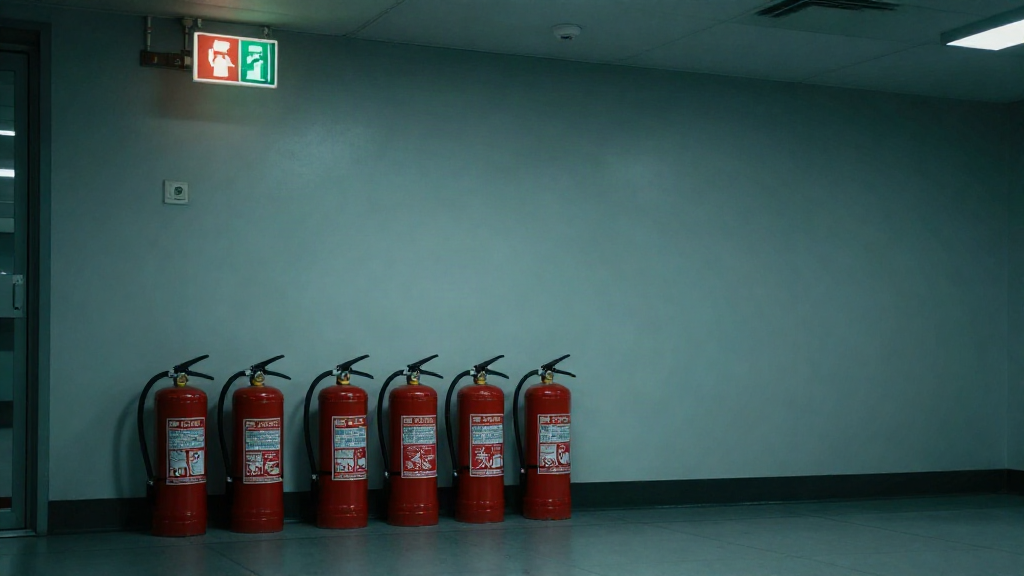
Compliance is a legal obligation, not a nice-to-have. Under Australian Standards, every commercial premises in Queensland must carry the right fire protection equipment, keep it serviced, and be able to demonstrate that it will work when it is called on. For facility and property managers balancing tight budgets against busy sites, the difficulty is rarely commitment – it is knowing exactly what a compliant building should hold, and where the gaps are hiding. Celtic Fire & Security supplies, installs, tests and maintains the full range of commercial fire protection equipment across Brisbane, the Sunshine Coast and surrounding regions. Here are the ten essentials every commercial building needs, grouped by the job each one performs. ## Detection and Alarm Equipment Fire protection starts with knowing a fire has begun. Detection and alarm equipment provides that early warning, giving occupants the minutes they need to evacuate safely. ### 1. Smoke and Heat Detectors Smoke and heat detectors are the first line of defence. Positioned throughout a building, they identify the earliest signs of a fire – smoke particles or a rapid rise in temperature – and trigger the alarm system. The type, spacing and location of detectors are dictated by the building’s size, ceiling height and occupancy, which is why an accredited installer should always specify them. ### 2. The Fire Indicator Panel The fire indicator panel is the control centre of the system. It receives signals from every detector and device, identifies the zone in alarm, and coordinates the building’s response. It must be installed, programmed and tested to Australian Standards, and must remain accessible to emergency services at all times. ### 3. Alerting Devices: Sounders, Bells and Beacons Alarms only protect people if they can be heard and seen. Sounders, bells and visual warning beacons alert occupants, including those with hearing impairments, so that evacuation can begin without delay. ## Suppression and Response Equipment Once a fire is detected, the next priority is limiting it. This equipment lets trained occupants respond to small fires and gives emergency services the infrastructure to do their job. ### 4. Portable Fire Extinguishers Extinguishers remain the most recognisable piece of fire protection equipment. Correctly selected for the classes of fire present – and matched to hazards such as electrical equipment or cooking oils – they allow a contained fire to be extinguished before it spreads. Location, signage and regular servicing are all part of compliance. ### 5. Fire Blankets Simple, effective and particularly valuable in kitchens and workshops, a fire blanket smothers a small fire by cutting off its oxygen supply. It is a low-cost addition that can prevent a minor incident from escalating. ### 6. Fire Hose Reels Fire hose reels provide a continuous, controlled supply of water for trained occupants dealing with a developing fire. They form a central part of the building’s first-attack capability and must be maintained in working order. ### 7. Fire Hydrants Hydrants give fire brigades a reliable, high-volume water source at the point of need. Their placement, pressure and accessibility are critical, because emergency crews depend on them the moment they arrive on site. ## Egress and Containment Equipment Protecting people also means protecting the path they take to safety. This equipment keeps escape routes clear and buys precious time. ### 8. Fire and Smoke Doors Fire doors contain fire and smoke within a compartment, slowing its spread and protecting escape routes and property. A fire door only performs if it is correctly installed, self-closing and free of defects, so routine inspection matters as much as the door itself. ### 9. Exit Signage Clear, illuminated exit signage guides occupants to safety, even in poor visibility or smoke. Signage must be positioned where it can be seen along the escape route and must comply with Australian Standards. ### 10. Emergency Lighting If power fails or smoke obscures the way, emergency lighting keeps escape routes lit. It is a mandatory element of most commercial buildings and works hand in hand with exit signage to make evacuation possible. ## Getting the Right Equipment Installed Once – and Done Right Together, these ten pieces of fire protection equipment form a complete, compliant system – but only when they are correctly specified, installed, tested and maintained. Individual components are only as strong as the installation behind them, and a single missed service or poorly sited device can undermine the whole system. Celtic Fire & Security handles the full cycle, supplying, installing, testing and maintaining fire protection and security systems to strict Australian Standards. For commercial business owners, facility managers and body corporates, that means one accredited team, one point of accountability, and the peace of mind that comes with knowing the job has been done once and done right.
10 Fire Protection Equipment Items Commercial Buildings Need
Latest Comments
No comments to show.
– QBCC 1183612 (Licensee Mark Robinson)
– Security Provider 4626868 (Monitoring and patrol)
– Security Provider 4695612 (Consulting and Installers)
– Electrical 89015
© 2026 Celtic Fire & Security
No responses yet